
Clean drinking water is essential for a healthy and comfortable home, but choosing the right filter can feel confusing. With so many types of filters, technolog
Common Water Filter Installation Mistakes and How to Avoid Them

Aug 24, 2026 |
Water Filtration
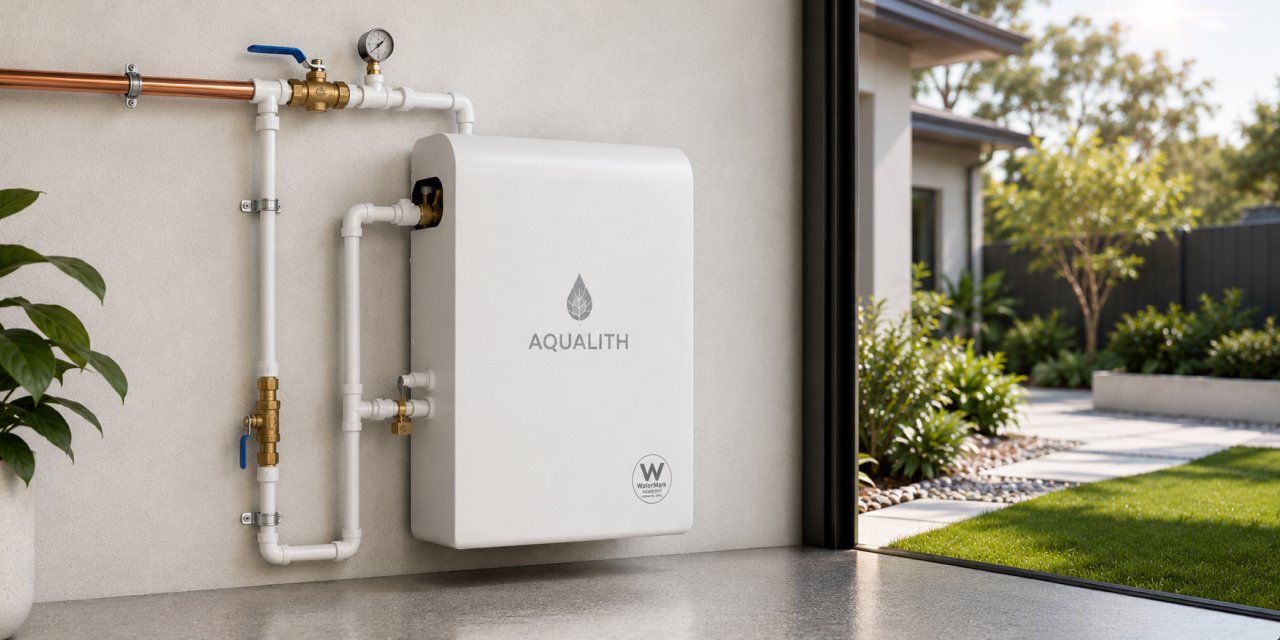
Installing a water filter at home can make everyday drinking water cleaner, safer, and more pleasant to use. However, even a good-quality filtration system may not work properly if it is installed incorrectly. Small mistakes during installation can affect water flow, filtration performance, and the lifespan of the equipment.
Whether you are installing a new system yourself or hiring a professional, understanding common installation mistakes can help you get better results from your water filtration solutions.
1. Choosing the Wrong Filter for Your Water
One of the most common mistakes is selecting a filter without first understanding the quality of the water being treated. Different water sources can contain different levels of sediment, chlorine, hardness, bacteria, or other impurities.
Before purchasing a filter, consider:
- Whether your water comes from a municipal supply or borewell
- The main impurities present in the water
- Daily household water consumption
- The required filtration capacity
A basic filter may not be suitable for water with high contamination or hardness. Proper Water Filter Treatment starts with selecting a system that matches the actual water quality.
2. Installing the Filter in the Wrong Location
The installation location can directly affect convenience and performance. Placing the unit too far from the water source, exposing it to excessive heat, or installing it where maintenance is difficult can create unnecessary problems.
Choose a location that is:
- Close to the required water connection
- Protected from direct sunlight and extreme heat
- Easy to access for filter replacement
- Stable enough to support the unit
A practical installation makes future servicing much easier.
3. Ignoring Water Pressure Requirements
Every filtration system has specific pressure requirements. If the incoming water pressure is too low, filtration may become slow. Excessive pressure, on the other hand, can put stress on pipes, connectors, and internal components.
Always check the manufacturer’s recommended pressure range before installation. If necessary, use suitable pressure-control equipment to keep the system operating safely.
4. Making Loose or Incorrect Connections
Loose tubing and poorly fitted connectors are another frequent installation issue. Even a small leak can cause water wastage and eventually damage nearby cabinets or walls.
After installation, carefully inspect every connection. Turn the water supply on slowly and check for leaks before using the system normally. Avoid forcing pipes or fittings into place, as this can damage the connection points.
5. Forgetting to Flush the New Filter
New filters often need to be flushed before regular use. This helps remove manufacturing residue, fine particles, or carbon dust that may be present inside a new cartridge.
Follow the manufacturer’s instructions for the correct flushing time and water quantity. Skipping this simple step can affect the taste and initial quality of filtered water.
6. Neglecting Regular Maintenance
Installation is only the beginning. Filters need regular cleaning, cartridge replacement, and inspection to maintain performance. Delaying maintenance can reduce filtration efficiency and may allow accumulated contaminants to affect water quality.
Simple Maintenance Habits
Keep a record of filter replacement dates, inspect connections periodically, and follow the manufacturer’s recommended service schedule. These small habits can extend the system’s useful life.
Final Thoughts
Avoiding common installation mistakes can help your filtration system deliver reliable performance for longer. From choosing the right filter to checking water pressure and maintaining connections, every step matters.
If you are unsure about installation or water quality, consulting a qualified professional is a sensible choice. The right equipment, correct installation, and regular maintenance together can make your water filtration solutions more effective and dependable.
Our Related Blogs
Aug 24, 2026 |
Water Filtration
A Beginner’s Guide to Choosing a Home Water Filter
Aug 24, 2026 |
Water Filtration
Why Water Filtration is Important for Victoria Homes
Clean water is something most households rely on every day, whether it is for drinking, cooking, bathing, or cleaning. While tap water is treated to meet safety